

The Only Frying Pan Guide You'll Ever Need
Most kitchen disappointments start with the wrong frying pan. It warps the first time it hits real heat, the nonstick coating gives out in a year, or it just never quite works on your stove the way it did in the store demo. A frying pan is the piece you'll use almost every day, so it's worth getting right the first time. Here's what actually matters, from material and stovetop compatibility to price and what to steer clear of.
Cast Iron vs. Nonstick: Which Actually Lasts Longer
Cast iron wins on raw longevity. A well seasoned cast iron pan can outlast its owner, since there's no coating to wear off, only a seasoning layer that gets better with use. Nonstick pans trade that lifespan for convenience. Even a good one starts losing its release after a few years of regular cooking, especially if it's ever gone through a dishwasher or been scraped with metal utensils. That doesn't make nonstick a bad choice, it just means you're buying a pan built for a shorter, easier life rather than a decades long one. A nonstick frying pan set covering two sizes is a practical way to get a few solid years out of the easy option while you decide if cast iron is worth adding later.
What Makes a Frying Pan Work on Every Stovetop
Not every pan plays nicely with every burner. Induction cooktops need a magnetic base, which rules out plain aluminum and most copper unless it has a steel or iron core built in. Glass top and ceramic stoves want a flat, warp resistant base so the pan doesn't rock or scratch the surface. Gas is the most forgiving of the three, though a lightweight pan will still heat unevenly over an open flame. If you want one pan that handles all three without a second thought, a hard anodized nonstick fry pan is usually built with exactly that kind of multi surface compatibility in mind.
Durable, Beginner-Friendly Pans (and What to Avoid)
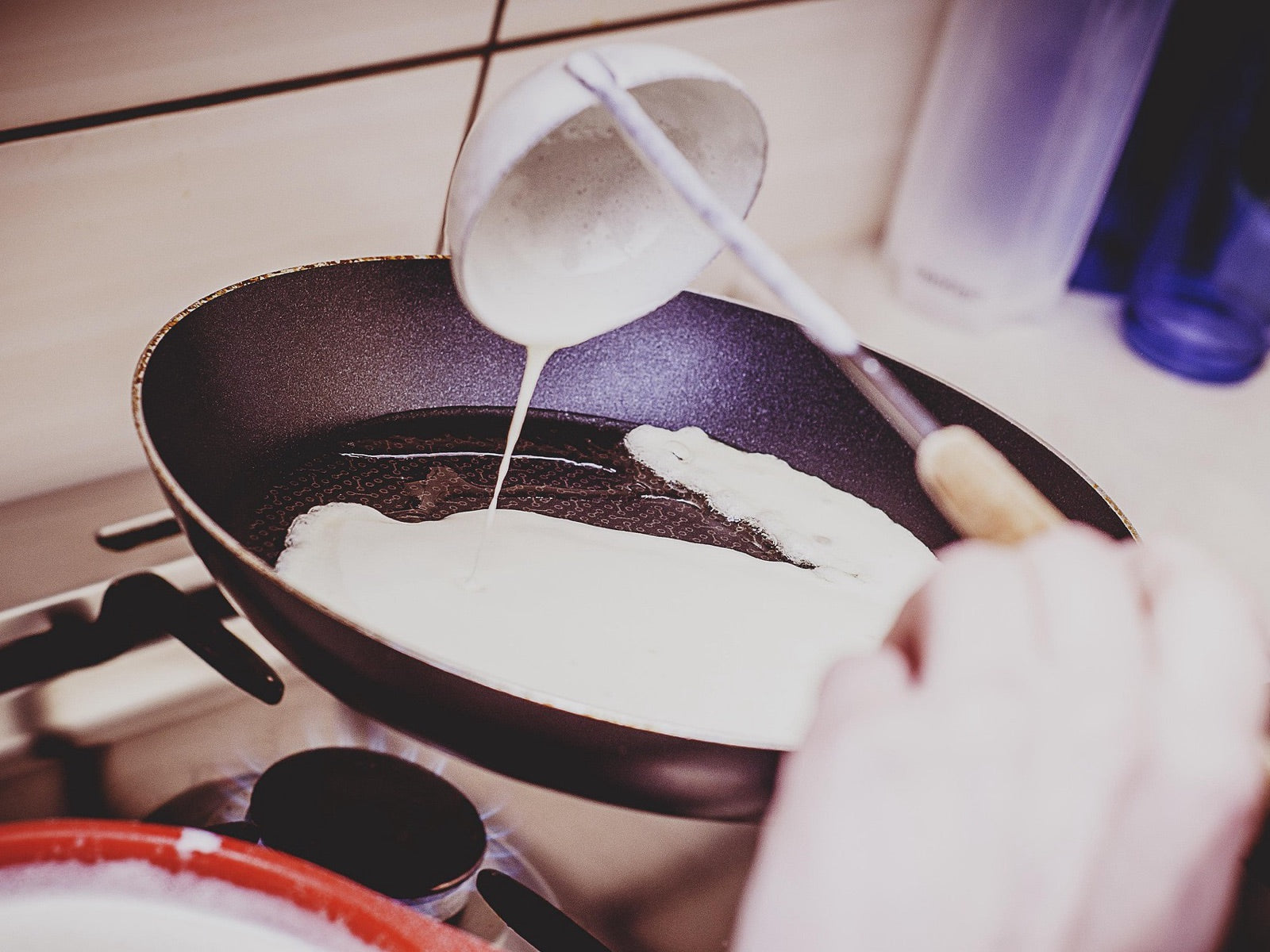
If you're just starting out, look for a pan that forgives mistakes rather than one that demands technique you haven't built yet. A durable frying pan with a mid weight aluminum or stainless base heats evenly enough that food won't scorch in one spot while the rest stays raw. The pans worth staying away from are the ultra thin, bargain bin nonstick pans that warp within a few uses and the older PTFE coatings that break down once scratched or overheated. A ceramic coated fry pan is a solid beginner pick, since ceramic skips the PTFE concern entirely while still giving you an easy, forgiving cooking surface.
Stainless Steel Frying Pans Under $100
You don't need to spend a fortune to get a real stainless steel pan. Under 100 dollars, look for 18/10 stainless with a tri ply or clad base rather than a single thin layer, since that construction is what actually determines how evenly it cooks, not the price tag alone. A stainless steel frying pan set covering two sizes is often a better value than one larger single pan, since you'll actually reach for the smaller size more often than you'd expect. Brand matters less here than base thickness. Check the specs before you check the logo.
Handling High Heat Without Warping
A pan that warps under high heat usually has a base that's too thin or wasn't properly stress relieved during manufacturing. Heavier gauge metal resists this, which is why cast iron and thick clad stainless barely warp at all even after years of hard searing. A tri ply ceramic fry pan is a good middle ground, since the layered metal core resists warping the way cast iron does while staying lighter to handle. If you cook at high heat often, a cast iron or carbon steel pan will outlast almost anything with a coating, and a saute pan is worth considering too if you want higher sides for the same heavy duty base. Browse our full range of stainless steel cookware or cookware sets to compare options before you buy.
The right frying pan comes down to matching the material to how hard you actually cook, not chasing whatever looks best in a set. Get the base right, match it to your stovetop, and it'll be the pan you reach for every single day.