

The Best Pots for Every Kitchen
Ask any home cook what actually gets used every night, and it's rarely the fancy specialty piece pushed to the back of the cabinet. It's the pot that's already on the stove before you've decided what's for dinner, the one that goes from a rolling boil for pasta to a slow simmer for sauce without missing a beat. Choosing pots isn't about owning the most cookware. It's about owning the right pieces for how you cook, and this guide walks through what to look for, what's worth spending on, and what you can skip.
What Makes a Pot Good for Everyday Cooking
Start with the base. A thick, flat base heats evenly and won't warp the first time you crank the burner too high, and a lid that actually seals keeps a simmer at a simmer instead of drying out halfway through. Most kitchens run on just two sizes day to day: a 3 quart saucepan for weeknight cooking and a 6 to 8 quart stockpot for soup, pasta, and big batches. If storage space is tight, a detachable handle pot set lets everything nest into a fraction of the cabinet space. Stainless steel and enameled cast iron hold up best over years of regular use, mostly because neither one reacts to acidic ingredients like tomatoes or wine.
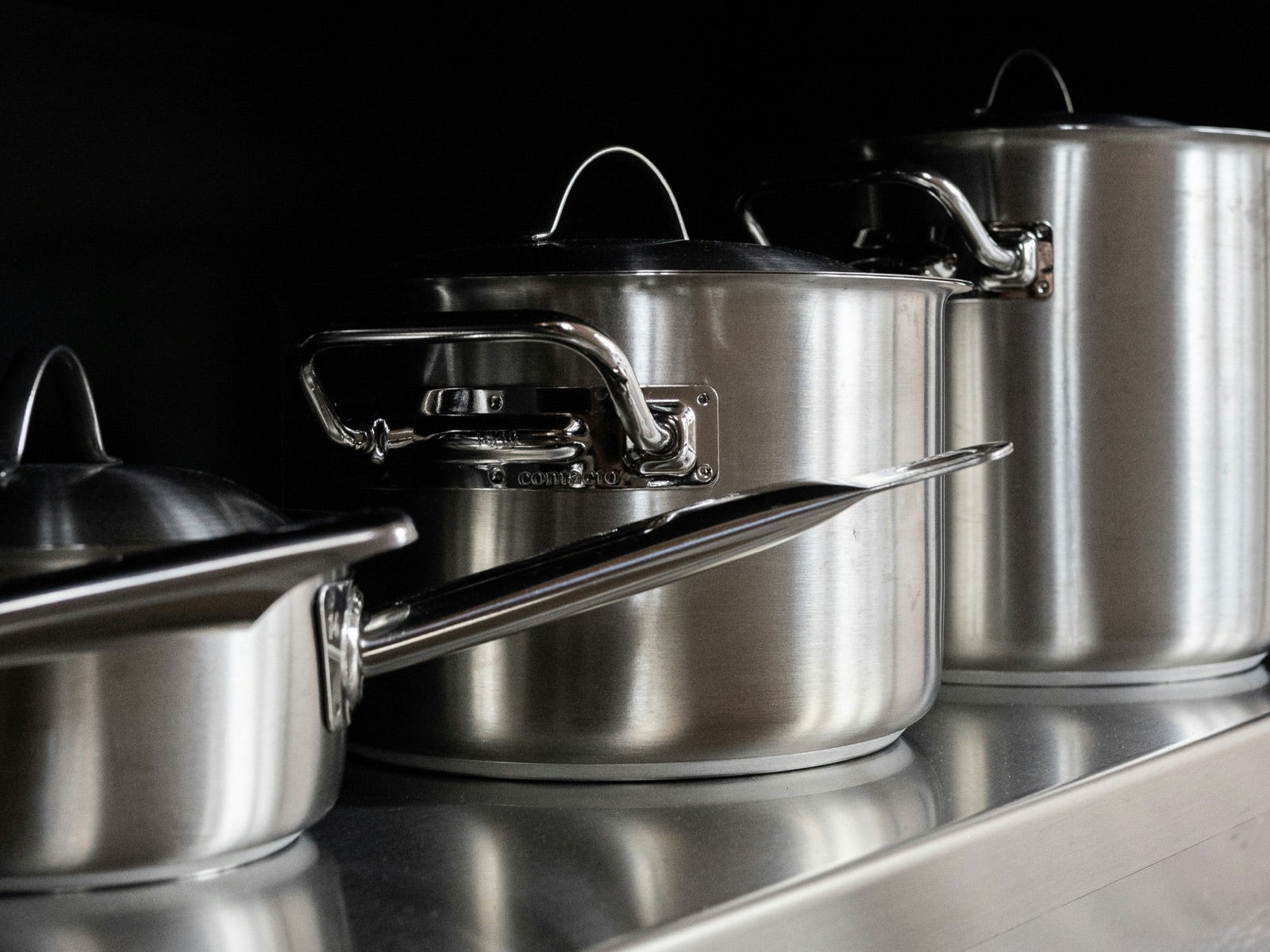
Construction is what actually decides whether a pot survives those years. Multi ply stainless, where a layer of aluminum or copper is sandwiched between steel, resists warping in a way thin, single layer pots never will. A Dutch oven is about as close to a lifetime purchase as cookware gets, since enameled cast iron can realistically outlast the kitchen it started in. When you're comparing pieces, check the handles too. Riveted holds up better than welded over years of daily use, and a heavier base is almost always a sign the pot was built to last rather than built to hit a price point.
Starting Out? Here's Where to Put Your Money
If you're just building out a kitchen, skip the giant discounted bundle. One well made stockpot carries you through pasta, soup, and boiled vegetables, which covers most of what a new cook needs. A crock pot is a smart second purchase too. It's about as forgiving as cooking gets. Set it, walk away, and the slow, steady heat does the rest, even if you're still learning your way around the stove. If you do want a full set right away, look for one built with real differences between pieces rather than padding, something like a ceramic cookware set that covers pots, pans, and lids in one box instead of a stack of near duplicate saucepans.
Budget for it realistically. A solid starter set typically runs $100 to $300, and single, high quality pieces land somewhere between $50 and $150 depending on material and construction. Bare cast iron and basic stainless sit at the affordable end. Multi ply stainless and enameled cast iron cost more upfront, but they tend to be the better value once you factor in how many years you'll actually use them. A full cookware set is often cheaper overall than buying every piece separately, as long as you'll genuinely use everything in it.
Heat Distribution and Choosing the Right Material
If you've ever watched a scorched ring form right in the center of a pot while the edges stayed cool, that's a base problem. Pots with a multi ply or clad base spread heat across the entire surface instead of concentrating it in one spot, which matters most if you're cooking on induction or a glass top stove. Stock pots and saucepans with a full thickness base, sometimes called a clad or capsule base, cook noticeably more evenly than anything with a thin aluminum disc glued to the bottom. A tri ply clad stock pot is a good example of that kind of construction done right.
Not all stainless is created equal, either. The good stuff is 18/10 stainless with a tri ply or 5 ply build, which resists pitting and rust far better than cheaper alloys. Before you look at the brand, check the base thickness. A thin stainless pot heats unevenly and scorches fast, while a properly clad one gets you most of the way to copper performance without the upkeep. Our stainless steel cookware is oven safe to 500°F or higher in most cases, though it's worth double checking the exact rating before you broil.
None of that means stainless is automatically the right call for everything. Cast iron and enameled cast iron hold heat the longest, which makes them the better choice for slow braises and soups that need hours to come together. Nonstick is great for eggs and delicate foods, but it can't take high heat. A honeycomb interior saucepan is one way modern nonstick pans try to close that gap, using a textured cooking surface that holds up better than a smooth coating. Most home cooks land on a mix: stainless for the everyday stuff, and a Dutch oven or crock pot for anything that needs to cook low and slow.
Does the Brand Actually Matter?
Less than you'd think. Two pots from different brands built with the same tri ply stainless construction perform almost identically on the stove. Where a brand does stand out is when it changes the actual construction, like a hybrid nonstick pot set that etches a stainless pattern into a nonstick surface instead of just coating it. Instead of shopping by logo alone, check three things: base thickness, metal grade, and whether the handles are riveted or welded. Those details tell you more about how a pot will perform than any name printed on the side.
Where to Buy the Right Pots for Your Kitchen
A specialty cookware retailer usually gives you the details that actually matter, exact base thickness, oven safe ratings, real material specs, instead of a vague big box listing. Shopping online also makes it easier to compare sizes and materials side by side instead of guessing off a shelf display. Browse our full range of pots to see what fits the way you cook.
At the end of the day, the best pot is the one that matches how you actually cook, not the one with the most impressive spec sheet. Start with one or two well made pieces in the right material, and build out from there as you need to.